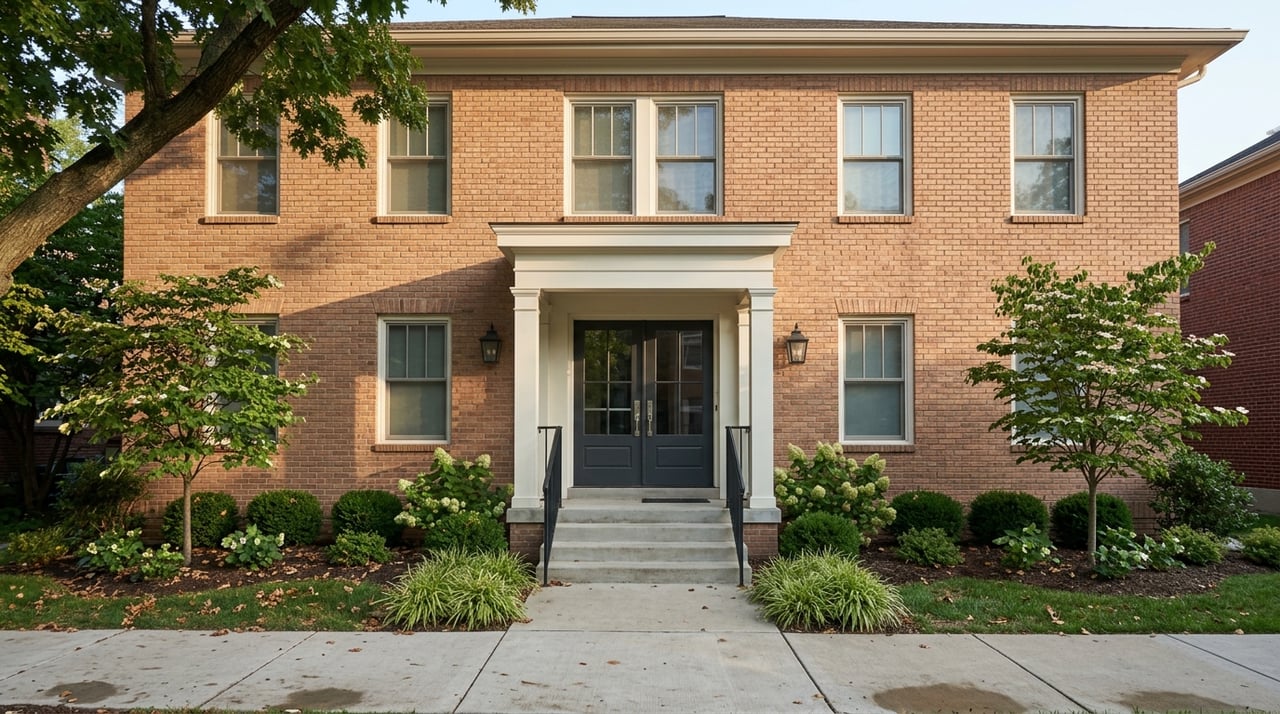
Living in Falls Church VA: What Buyers Should Know
July 16, 2026
July 16, 2026
If you are thinking about living in Falls Church, the first thing to know is that this small city packs a lot into a very compact footprint. You may be comparing it with nearby Northern Virginia communities and wondering whether it feels more urban, more residential, or somewhere in between. This guide will help you understand what daily life, housing, commuting, and local amenities really look like in Falls Church so you can decide whether it fits your goals. Let’s dive in.
Falls Church is an independent city in Northern Virginia, separate from Arlington and Fairfax counties, with its own city government and school system. It covers about 2.2 square miles and sits roughly seven miles from Washington, D.C. That size is part of what gives the city its compact, connected feel.
One detail that often surprises buyers is that some Falls Church mailing addresses are actually in Fairfax County. If you are searching homes online, that can create confusion about what is truly inside the City of Falls Church versus nearby areas with a Falls Church address. It is a smart detail to clarify early when you start your home search.
The latest Census QuickFacts estimate puts the population at 15,159, with 7,114 housing units. The same source shows an owner-occupied housing rate of 52.5%, a median owner-occupied value of $1,055,600, and median gross rent of $2,190. In plain terms, Falls Church is a high-cost housing market with a mix of owners and renters.
Falls Church is often described by the city as a place with small-town character and urban amenities. In practical terms, that means you get a civic, community-oriented atmosphere along with access to shops, dining, local events, and transportation options. It does not feel spread out in the way many suburban areas do.
A lot of the city’s identity comes from how connected everyday life feels. You can see that in the concentration of civic spaces, the year-round farmers market, local arts venues, and the trail network. Instead of relying on one major attraction, Falls Church tends to win people over through the way its amenities fit into normal weekly routines.
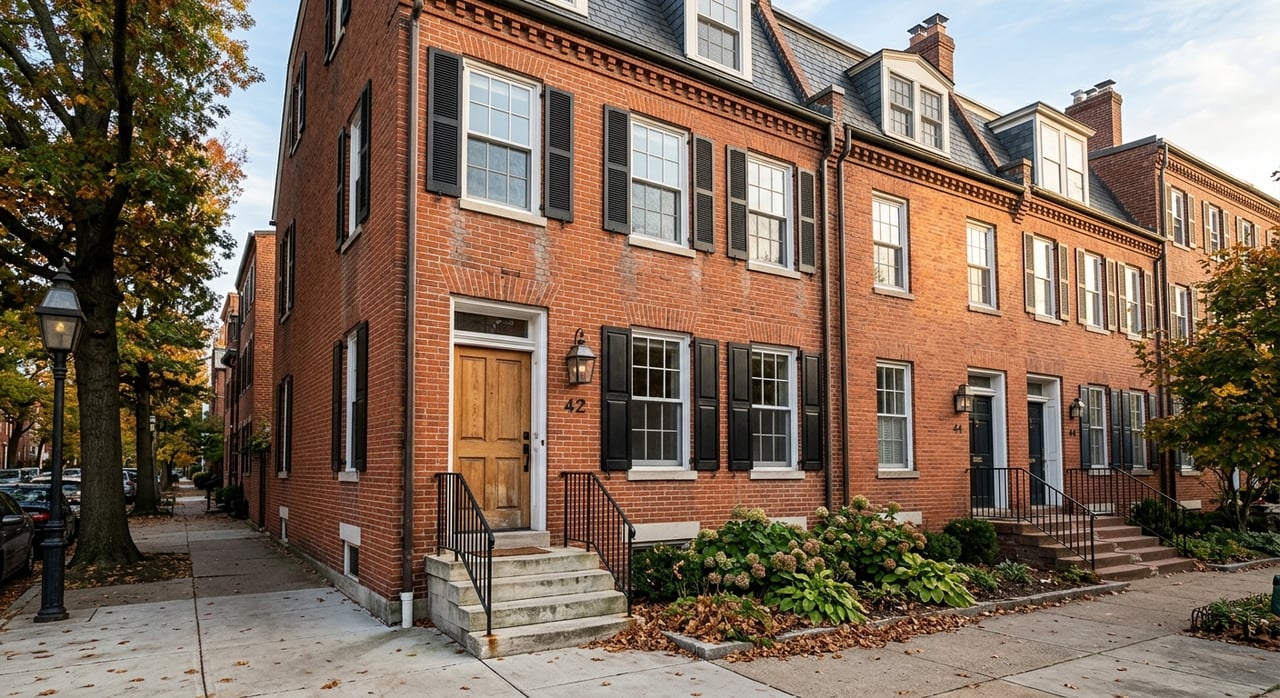
If you picture Falls Church as only detached homes on quiet streets, the numbers tell a broader story. The city profile reports that 54.0% of housing units are multi-family. That means condos, apartments, and other denser housing types are a meaningful part of the local market.
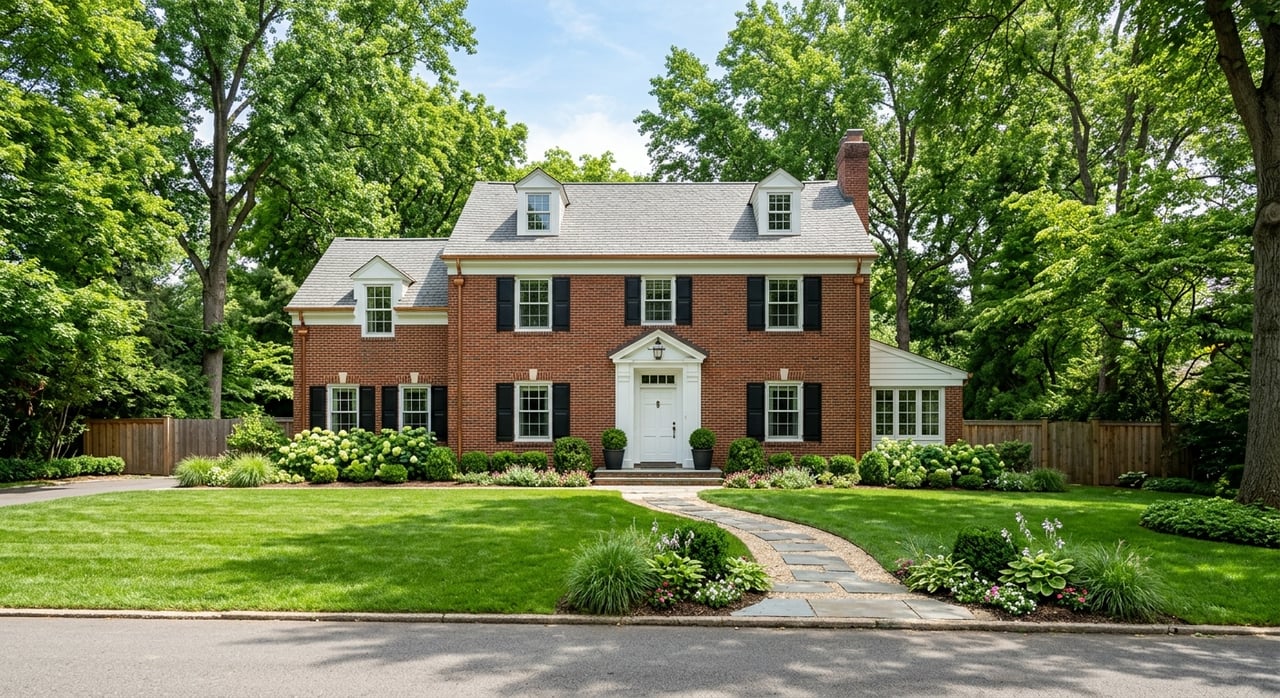
For buyers, this creates more than one entry point into the city. Depending on your budget and lifestyle, you may be looking at a condo near a commercial corridor, a townhome-style option nearby, or a detached home in a more traditional residential setting. That variety matters in a market where prices and monthly costs are elevated.
Because Falls Church is small, housing choices can also feel closely tied to location within the city. Some areas are more connected to shops, mixed-use development, and transit patterns, while others feel more residential. If you are relocating from outside the area, this is one of the biggest reasons to look beyond a mailing address and focus on the exact location and property type.
One of the biggest lifestyle draws in Falls Church is walkability, but it is important to set the right expectation. Walkable areas are concentrated in specific pockets rather than spread evenly across the whole city. Your day-to-day experience will depend a lot on where you live.
The city’s small-area plans point to several key zones with a pedestrian-oriented focus:
If walkability is high on your list, it helps to think in terms of pockets rather than citywide uniformity. Some homes will put you close to errands, dining, and community spots, while others may still rely more on driving for daily tasks.
Falls Church appeals to many buyers because it offers access to Washington, Arlington, Tysons, and other major job centers. If your work or routine involves regional travel, this is one of the city’s strongest advantages.
Metro access is a big part of that story. East Falls Church station is on the Orange and Silver lines, and West Falls Church station is on the Orange Line. One important local detail is that neither station is actually inside the city boundary, even though both are nearby and shape commuting patterns for many residents.
Bus service adds another layer of convenience. The city’s getting-around page lists WMATA routes F50, F26, F20, and ART 55 through the city, along with additional nearby service from Arlington Transit and Fairfax Connector. That makes Falls Church more than just Metro-adjacent. It also supports local and regional trips by bus.
For drivers, major regional connections include Route 7, Route 29, Route 50, I-66, and the Dulles Toll Road. If you need flexibility for commuting in different directions, that road access is a practical plus.
The city profile also offers a useful snapshot of how travel habits have shifted. It reports that local transit service averaged 28 buses and trains per hour, work-from-home share increased from 8.7% in 2019 to 26.8% in 2022, and car trips at Broad and Washington fell 24.8% from 2008 to 2022. Together, those numbers support the idea that Falls Church can feel less car-dependent than many nearby suburbs.
Falls Church puts real emphasis on getting around in ways other than driving. Most city streets now have 20 mph speed limits, according to the community profile. That slower street pattern helps support neighborhood travel on foot and by bike.
The W&OD Trail is one of the city’s most useful everyday amenities. NOVA Parks describes it as a paved 45-mile multi-use trail, and the city ties it directly to walking, cycling, and outdoor use in Falls Church. For some residents, that means recreation. For others, it also supports a more car-light routine.
If you value easy outdoor access as part of your normal week, not just on weekends, this is one of Falls Church’s strongest lifestyle features. It adds a level of convenience that can be hard to find in denser or more car-oriented communities.
Falls Church has a compact but active parks system. The city lists 18 parks plus the W&OD Trail. Even in a small city, that creates a noticeable network of outdoor spaces.
Cherry Hill Park stands out as the city’s crown jewel and most heavily used park. It also includes the Cherry Hill Farmhouse and the LOVE sculpture, giving the space both recreational and civic character. That mix helps explain why parks in Falls Church often feel like community gathering places, not just green space.
For many residents, these public spaces shape the rhythm of daily life. They give you places to walk, spend time outdoors, and plug into the community without needing to plan a major outing.
Falls Church has a strong local identity for such a small city, and a lot of that comes from its civic and cultural anchors. The Falls Church Farmers Market is held year-round every Saturday at City Hall and features more than 50 vendors. That kind of weekly routine helps the city feel active and connected.
Mary Riley Styles Public Library is another important community anchor. It reopened in 2021 after a $10.3 million renovation and now totals 25,727 square feet. For residents, it adds to the sense that Falls Church functions as a full community center, not just a place people pass through on the way to work elsewhere.
When it comes to dining and culture, several destinations help define the city’s personality. These include The State Theatre, Falls Church Arts, Creative Cauldron, Eden Center, and the Tinner Hill Historic and Cultural District. Together, they create a mix of live entertainment, visual arts, shopping, dining, and local history.
Eden Center is especially notable as a major Vietnamese shopping destination. Tinner Hill adds another important layer through its connection to African American heritage and Civil Rights history. Census data also helps explain the city’s varied food and cultural scene, with 16.6% of residents reported as foreign-born and 21.1% speaking a language other than English at home.
Falls Church can be a strong fit if you want a compact community with access to larger job centers and amenities close at hand. It may appeal to buyers who value walkable pockets, transit options, local parks, and a clear civic identity. It can also work well if you want housing choices beyond only detached homes.
At the same time, it helps to go in with realistic expectations. This is a high-cost market, and the city’s walkability is strongest in specific areas rather than everywhere. Your experience will depend a lot on your budget, property type, and how close you want to be to the city’s commercial and transit-oriented pockets.
If you are deciding whether Falls Church fits your needs, the best approach is to match the city’s layout and housing mix to your actual lifestyle. Think about how you commute, how often you want to walk to destinations, and what kind of home makes sense for your stage of life. Those practical tradeoffs matter more here than broad assumptions.
If you want help sorting through Falls Church versus nearby Northern Virginia options, working with someone who knows the local differences can save you time and help you make a more confident move. If you are ready to talk through your goals, connect with James Bartolozzi.
Stay up to date on the latest real estate trends.
James combines local market knowledge, experience, and personalized service to help you buy or sell with confidence.