Relocating to Fairfax VA: What to Know Before You Move
July 23, 2026
July 23, 2026
Thinking about relocating to Fairfax, VA? It can be a smart move if you want access to the broader Washington-area job market without giving up the feel of a compact, locally connected city. If you are trying to figure out housing options, commuting, and what daily life might really look like, this guide will help you sort through the big questions before you make a move. Let’s dive in.
One of the first things to understand is that Fairfax is its own independent city. It is not simply a neighborhood inside Fairfax County, even though the names sound similar. That matters because local services are handled separately, so when you are looking at homes, you will want to confirm whether a property is in the City of Fairfax or in Fairfax County.
The City of Fairfax is compact, with a 2024 land area of 6.24 square miles and a population of 26,340 residents. That smaller footprint can be a real advantage when you relocate because neighborhood feel, commute patterns, and access to daily conveniences can shift quickly from one part of the city to another. In other words, where you choose to live in Fairfax can shape your day-to-day routine more than you might expect.
The city describes itself as being at the crossroads of Northern Virginia and about 20 minutes from Washington, DC. It also borders George Mason University on the south side, which adds to the city’s mix of residential areas, commercial uses, and local activity. For many relocation buyers, that combination creates a good middle ground between suburban space and regional access.
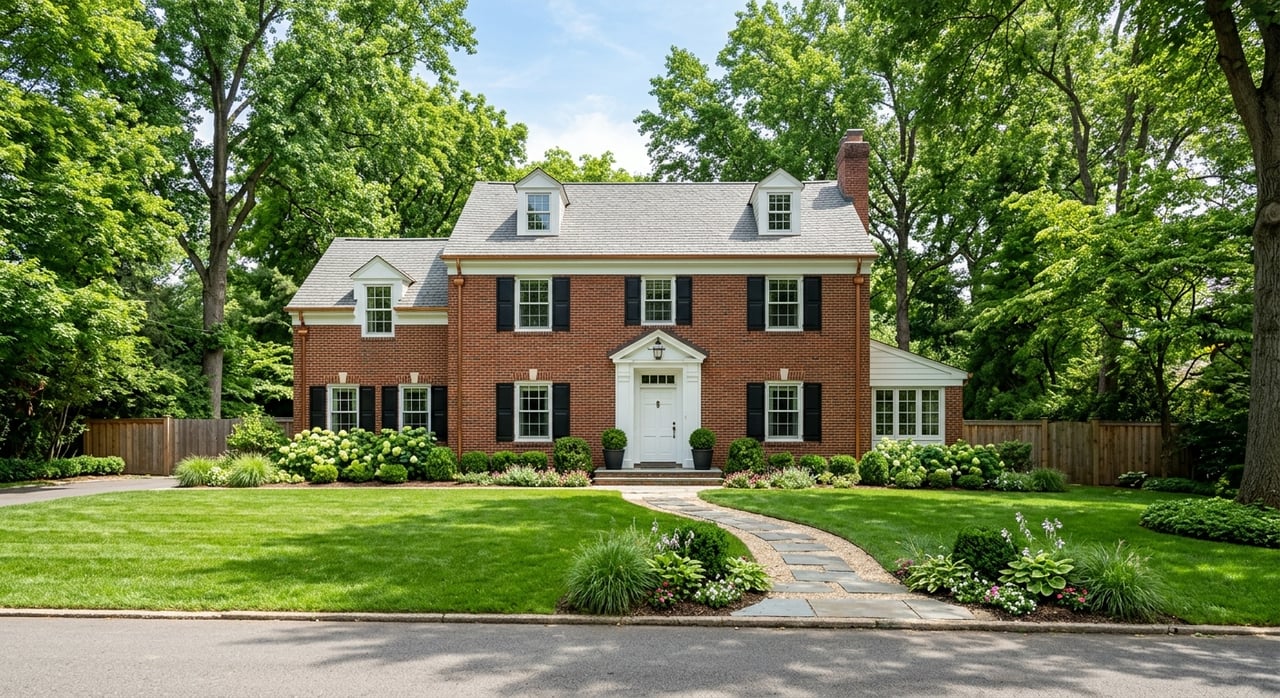
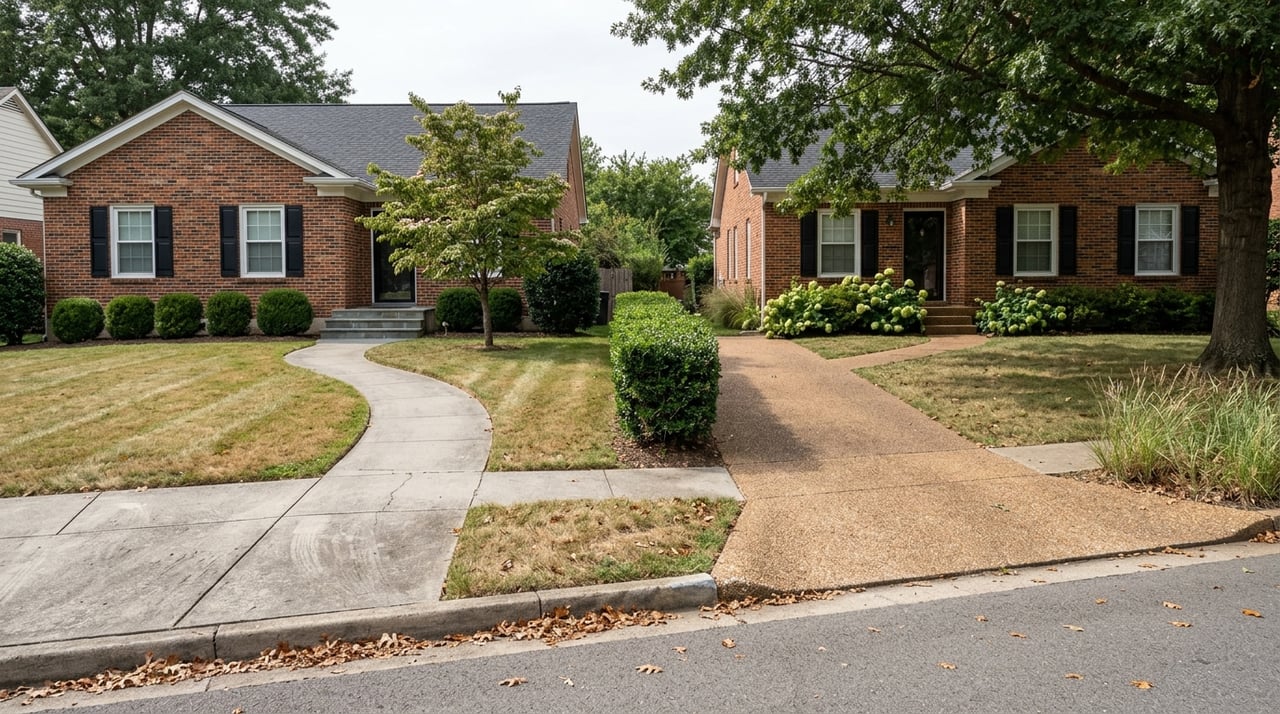
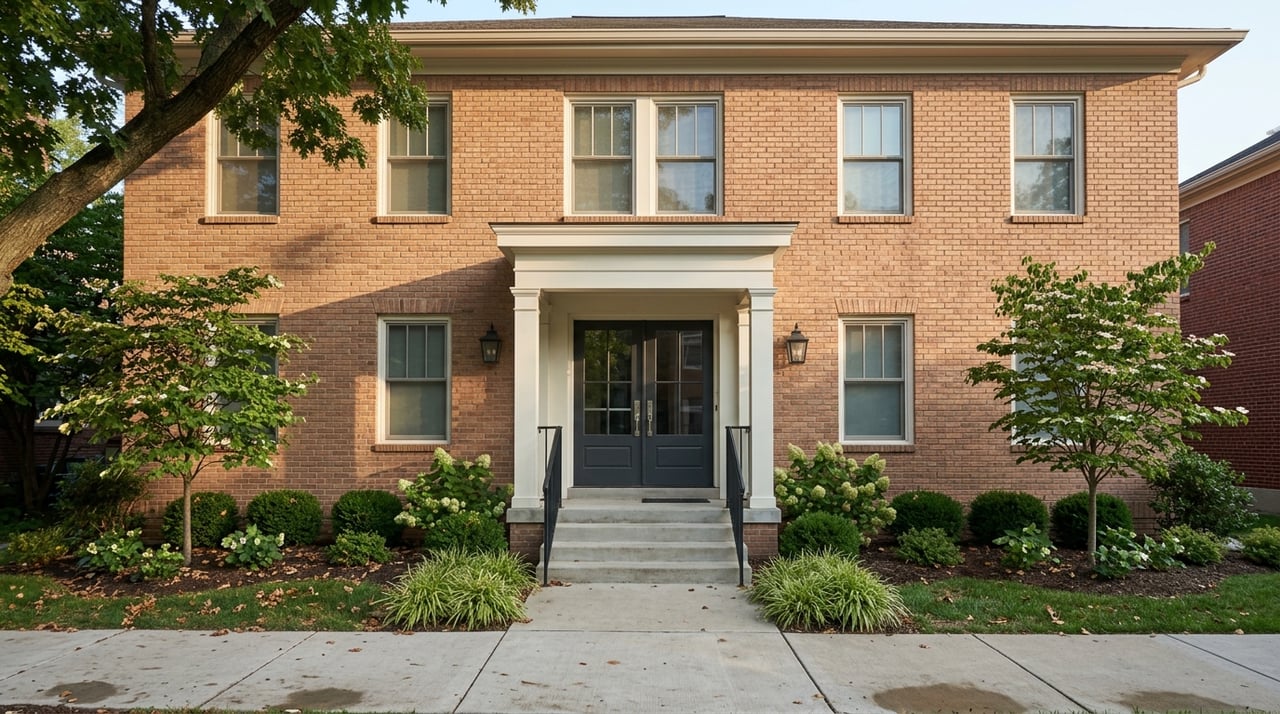
If you are moving from out of the area, Fairfax offers more housing variety than you may expect from a smaller suburban city. The city’s 2024 housing inventory includes single-family detached homes, townhouses, multifamily condominiums, and apartments. That range can give you more flexibility whether you want a lower-maintenance home, a move-up property, or a place to rent before buying.
The city reports 4,922 single-family detached homes, which make up 47% of all housing units. It also has 1,300 townhouses, 1,424 multifamily condominiums, and 2,369 apartments. That mix helps explain why Fairfax appeals to a wide range of buyers and renters who want options in one market.
Ownership is a major part of the local housing picture, with a 69.9% owner-occupied rate. At the same time, the median gross rent is $2,245, so there are also meaningful rental opportunities for people who want to learn the area before committing to a purchase. If you are relocating on a tight timeline, that can be helpful.
Housing costs in Fairfax reflect its location in Northern Virginia and its access to the Washington metro area. The city’s 2024 assessment profile lists average assessed values of about $739,000 for detached homes, $682,000 for townhouses, $424,000 for duplexes, $861,000 for attached homes, and $327,000 for multifamily condos. Census data also shows a median owner-occupied home value of $722,600.
Current market snapshots suggest a competitive environment. Redfin reported a median sale price of $734,560 for the three months ending May 2026, with homes receiving an average of three offers and selling in about 24 days. Zillow’s Fairfax home value index was $799,544 as of April 30, 2026, with homes going pending in around six days.
Those numbers are measuring different things, so they are not directly interchangeable. Still, together they point to a market where preparation matters. If you are relocating and hope to compete well, it helps to get clear on your budget, priorities, and timing before you start touring homes.
Fairfax sits in an interesting spot compared with nearby Northern Virginia markets. It tends to offer more detached-home and townhouse choices than places where most recent growth has been heavily weighted toward apartments and condos. It also offers more housing-type variety than suburbs that lean more strongly toward single-family inventory.
For a relocating buyer, that can be a real plus. You may be able to balance space, convenience, and price point more effectively in Fairfax than in some nearby markets, depending on your goals. That does not mean every option is easy to find, but it does mean the city gives you a wider mix to evaluate.
Commute planning is a big part of any relocation decision, and Fairfax gives you several ways to connect across the region. Fairfax County lists Metrorail access on the Orange Line via Vienna/Fairfax-GMU, Virginia Railway Express service on the Manassas and Fredericksburg lines, Fairfax Connector routes, and Metrobus connections. There are also nearly 30 free park-and-ride lots and a commuter parking garage in Fairfax.
For many buyers, the Vienna/Fairfax-GMU station is a key reference point. WMATA lists the station at 9550 Saintsbury Drive in Fairfax, with 5,169 all-day parking spaces. Weekday daily parking is $4.95, while weekends and federal holidays are free.
Inside the city, the CUE Bus adds another layer of convenience. It offers fare-free service throughout Fairfax and connects riders to George Mason University, the Vienna/Fairfax-GMU station, Old Town, neighborhoods, parks, schools, and other destinations. Service hours run from early morning through evening on weekdays, with weekend hours as well, which can make local car-light living more workable than some buyers assume.
Relocating is not only about square footage and commute maps. You also want to know whether a place feels comfortable and connected once you get there. In Fairfax, much of that local character shows up in Old Town Fairfax and the city’s network of parks, trails, and gathering spaces.
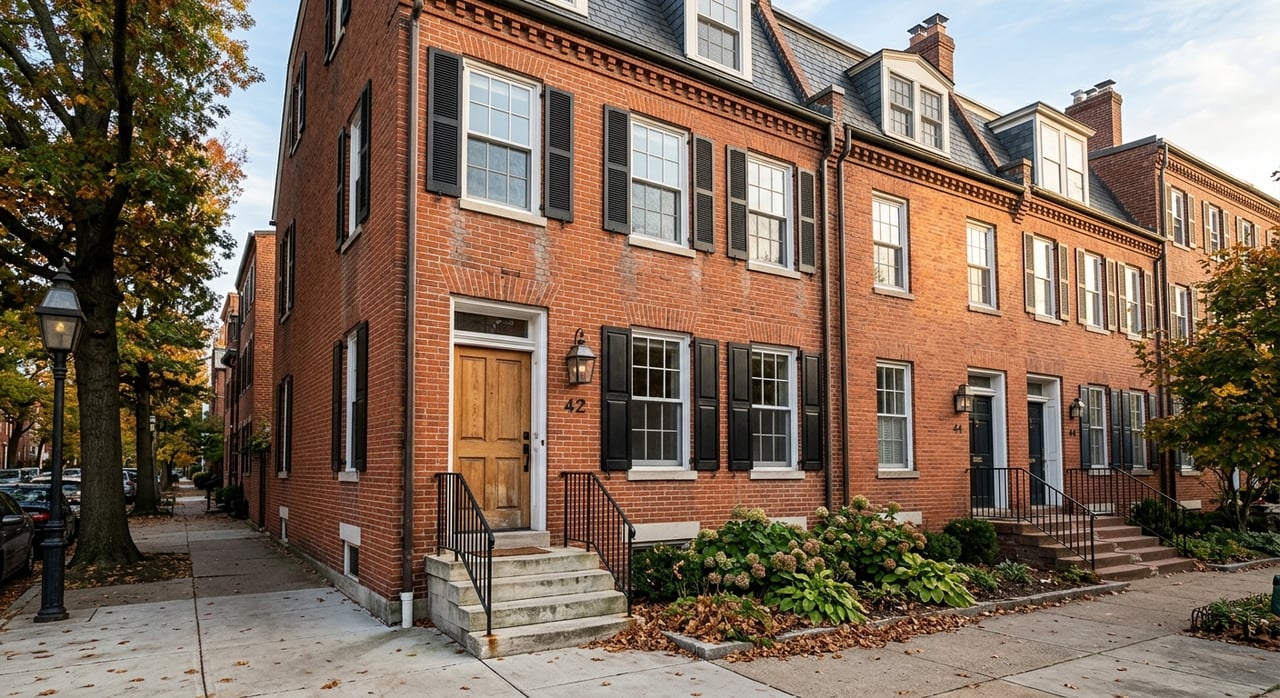
Old Town Fairfax is a National Register Historic District, and it gives the city a recognizable center. The Fairfax Museum and Visitor Center highlights the area’s history, walkable character, and nearby restaurants. Old Town Square also hosts concerts and city events such as Rock the Block, Fall Festival, and Festival of Lights and Carols.
That local activity can matter more than buyers expect. If you are moving from farther away, having a defined town center and public events can help you feel oriented more quickly. It gives you places to explore and a better sense of how the city functions beyond the home search itself.
A Fairfax move usually goes better when you treat it like both a housing search and a logistics project. Because the market can move quickly, your first step is often financing readiness. A preapproval letter shows a lender is tentatively willing to lend up to a certain amount, and sellers often want that in hand before accepting an offer.
It is also smart to compare more than one lender. The Consumer Financial Protection Bureau recommends asking at least three lenders for preapproval. That gives you a better read on rates, fees, and loan options before you start writing offers.
On timing, Freddie Mac’s general homebuying timeline suggests about 45 days for lender shopping and around 10 weeks to find a home, depending on inventory and how quickly you want to move. In a competitive market, your actual timeline may feel shorter once the right property appears. That is one reason relocation buyers benefit from having a clear plan early.
If you are relocating from another state or another part of Virginia, remote home shopping may be part of the process. Photos, video, virtual tours, and floorplans can help you narrow the field before you travel. They are especially useful for ruling homes out and identifying the few properties that deserve closer attention.
That said, remote tools work best when paired with a careful, property-specific review. A listing may look strong online but still have tradeoffs that matter once you dig into layout, condition, location, or access. If you are moving on a compressed schedule, clear communication becomes just as important as the home search itself.
Once your offer is accepted, the transaction shifts into closing tasks. Buyers typically need to provide more documents, schedule a home inspection, shop for homeowners and title insurance, and move through underwriting and appraisal. Lenders generally require an appraisal, and buyers are entitled to receive a copy no later than three days before closing.
You will also receive a Closing Disclosure at least three business days before closing. If you are wiring funds remotely, stay alert for mortgage closing scams and confirm instructions carefully. That extra caution is especially important when you are handling details from out of town.
For many buyers, Fairfax works because it blends several priorities into one place. You get a compact city setting, a mix of housing types, workable regional commuting options, and a local amenity base that helps daily life feel established rather than disconnected. That can make the move feel more manageable, especially if you are learning Northern Virginia for the first time.
The key is matching your home search to how you actually plan to live. Your commute, preferred housing type, budget, and need for walkable local activity all matter. If you get those pieces aligned early, Fairfax can offer a practical and well-rounded landing spot in Northern Virginia.
If you are planning a move and want direct, clear guidance on how Fairfax fits your goals, reach out to James Bartolozzi. You will work directly with James for practical advice, strong communication, and a relocation strategy built around your timeline.
Stay up to date on the latest real estate trends.


James combines local market knowledge, experience, and personalized service to help you buy or sell with confidence.